Pest Control Services for Winter, Spring, Summer, and Fall

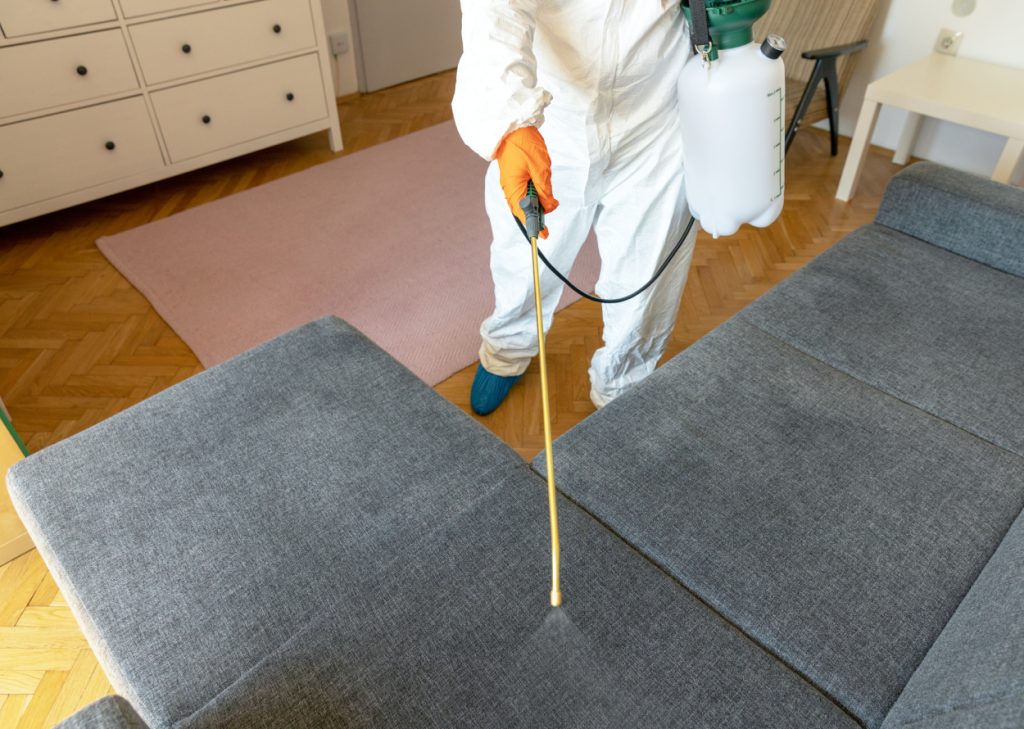
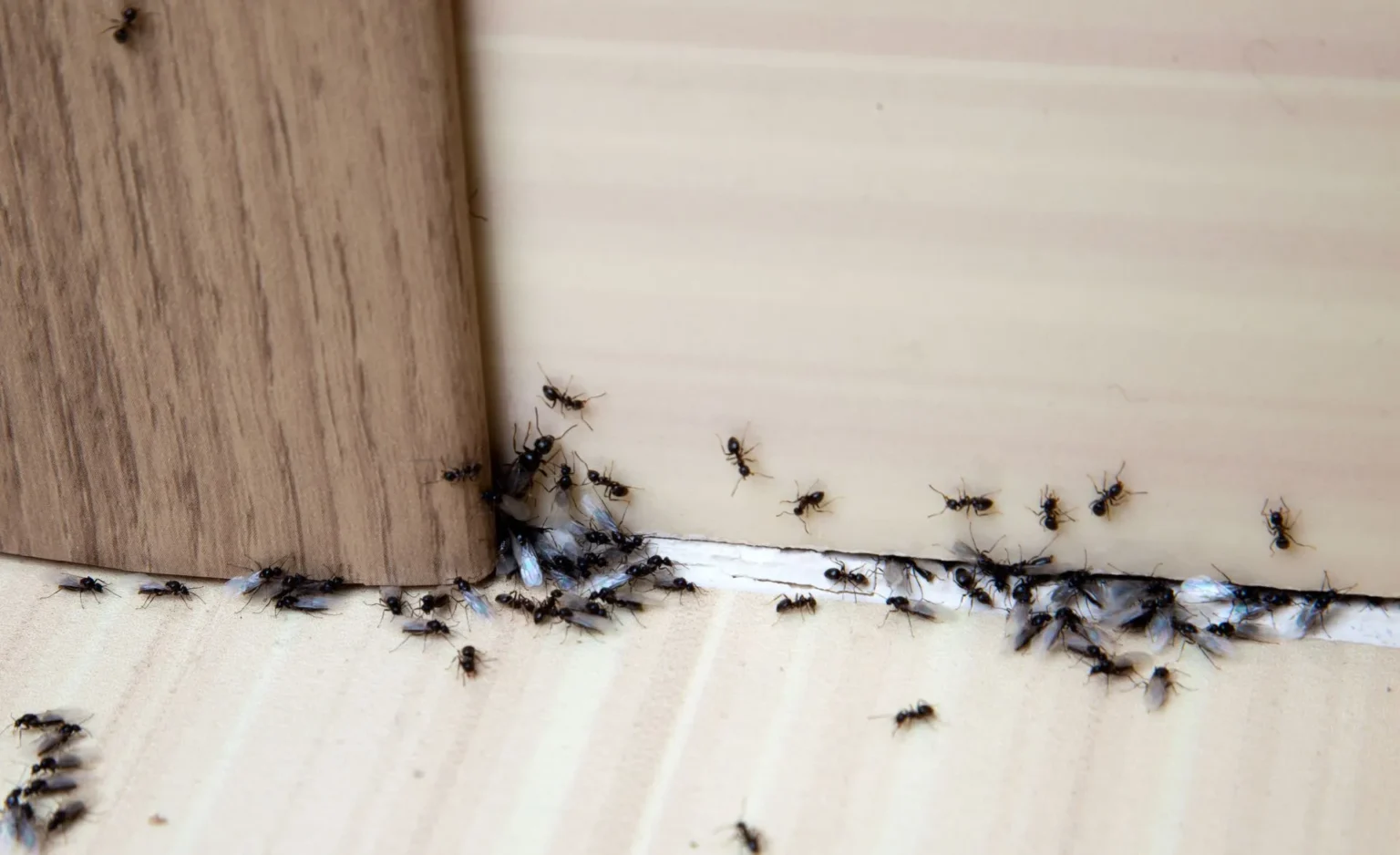
Pests do not operate on a single schedule, and that is the first thing many property owners learn after a bad season. A mouse problem often surfaces in January. Ants push inside during spring rains. Mosquitoes explode in early summer after a week of standing water and humidity. Then fall arrives, and suddenly spiders, stink bugs, wasps, and rodents all seem to want shelter at once.
That pattern is why effective Pest Control Services are never truly one-size-fits-all. Good service is seasonal, local, and practical. It accounts for weather, building type, moisture conditions, landscaping, food sources, and the habits of the people using the space. A downtown restaurant, a suburban crawlspace home, and a rural warehouse can all sit within the same zip code and still need very different pest strategies.
After years of seeing infestations unfold, one thing stands out: most major pest issues are not caused by a single dramatic event. They build quietly. A torn door sweep in fall becomes a rodent issue in winter. A wet mulch bed in spring becomes a breeding zone for summer insects. A clogged gutter in August creates moisture that supports overwintering pests later in the year. The best seasonal pest work is not just about reacting. It is about interrupting those small conditions before they compound.
Why seasonality changes everything
Temperature, moisture, food availability, and shelter drive pest pressure. That sounds simple, but in practice it affects nearly every treatment decision. In colder months, pests tend to seek warmth and stable interior conditions. In warmer months, reproduction accelerates. Transitional seasons create movement. Pests are either emerging, nesting, dispersing, or trying to survive a shift in the environment.
This is where experienced technicians differ from companies that rely on a generic spray-and-go routine. A winter visit might focus on exclusion, attic activity, and monitoring. A spring service often emphasizes perimeter treatments, early colony disruption, and moisture correction. Summer calls for active management of high-pressure insects, especially those with fast breeding cycles. Fall is often the most important inspection season of the year because it is the last strong opportunity to seal buildings before pests settle in for cold weather.
Seasonality also matters because chemistry behaves differently across temperatures, surfaces, and rainfall patterns. Dusts, baits, residual products, and non-chemical controls all have their place, but timing matters. Treat too early and the product may lose effectiveness before pest activity peaks. Treat too late and the infestation may already be established in wall voids, insulation, void spaces, or landscape beds.
Winter pest control services: keeping invaders from settling in
Winter is often underestimated. Many people assume pests disappear once temperatures drop, but that is only true for some species and only outdoors. In reality, winter is prime time for indoor pest discovery.
Rodents are the most obvious concern. Mice can fit through gaps around a quarter inch, and rats need less room than most people think. Once they find warmth, food, and water, they stay active. Attics, basements, utility penetrations, garage corners, and kitchen voids become common harborage. One recurring mistake homeowners make is setting a few traps without addressing entry points. That may catch a few animals, but if the structure remains open, the pressure continues.
Winter pest control services often include detailed inspection work that is less visible during leaf-on months. Bare landscaping helps reveal burrows, rub marks, gaps along foundations, and utility penetrations. Indoors, technicians can more easily track fresh activity because seasonal insect noise is lower and rodent behavior stands out. Droppings near stored pet food, scratching in attic insulation at dusk, and greasy marks along basement edges are all winter clues that deserve quick attention.
Cockroaches also remain a year-round issue, especially in multifamily properties, food-service spaces, laundry rooms, boiler areas, and buildings with chronic moisture. German cockroaches in particular do not care that it is freezing outside. Their survival depends on interior heat, water, and hiding places. Winter service here usually leans heavily on sanitation guidance, crack-and-crevice treatment, bait rotation, and follow-up inspections rather than broad applications alone.
Spiders are another common winter complaint. In many cases, spiders are not the root problem. They are following the insects that are already established inside. Treating the spider webs while ignoring the underlying prey population rarely produces lasting results. A sound winter program reduces harborage, closes entry points, and addresses interior insect activity that supports spider presence.
For commercial accounts, winter is a smart time for structural corrections. Loading dock sweeps, receiving door seals, drain maintenance, and wall-void monitoring can often be handled with less operational disruption than during peak summer traffic. For homes, winter is often when people finally notice how much warm air escapes around utility lines, attic hatches, and door frames. Those same openings admit pests.
Spring pest control services: the season of emergence
Spring is when dormant issues become visible. Soil warms, colonies expand, and moisture shifts. Pest pressure starts building long before homeowners notice the first trail of ants across the countertop.
Ants are one of the most common spring service calls. After rains, shifting soil moisture pushes colonies to forage more aggressively. Odorous house ants, pavement ants, carpenter ants, and other species all behave differently, which is why identification matters. A trail in the kitchen could point to a simple foraging issue, or it could signal a satellite colony linked to moisture-damaged wood outdoors. Carpenter ants, in particular, deserve careful attention because they often indicate a structural moisture problem, not just an insect problem.
Termite activity also becomes a central concern in spring in many regions. Swarmers around windows, mud tubes on foundation walls, and blistered wood surfaces are classic warning signs. One of the harder conversations in this field is explaining that no visible termites does not necessarily mean no termite risk. Subterranean termites work quietly. By the time visible evidence appears indoors, activity may have been present for quite a while. Spring inspections are valuable because they catch early activity and identify risk conditions such as wood-to-soil contact, poor drainage, and excessive mulch against the foundation.
Spring also tends to reveal overwintering pests that emerge from wall voids, attics, or exterior crevices. Cluster flies, boxelder bugs, and stink bugs often show up near sunny windows as temperatures rise. At that point, treatment options are usually more limited than prevention would have been the previous fall. This is a recurring lesson in pest work: some of the best spring outcomes depend on what was done months earlier.
Moisture becomes a major factor in spring service. Crawlspaces with poor vapor barriers, flower beds with dense ground cover, clogged gutters, and downspouts dumping near the foundation all create ideal conditions for insects. Earwigs, millipedes, centipedes, and springtails often surge after wet periods. While these pests are sometimes more nuisance than threat, high numbers usually point to excess moisture that should be corrected. Treating only the symptom keeps the callback cycle alive.
A strong spring service visit usually combines exterior inspection, early intervention, and habitat modification. That might mean trimming back vegetation, reducing mulch depth, sealing foundation gaps, servicing bait stations, and applying targeted treatments before populations spike.
Summer pest control services: pressure, reproduction, and fast-moving problems
Summer is when pest issues become obvious, disruptive, and expensive if they are not managed early. Heat accelerates insect development. Water sources multiply after irrigation, storms, and condensation. People spend more time outdoors, which increases encounters with stinging insects, mosquitoes, and biting pests.
Mosquito control is one of the clearest examples of why timing matters. A yard can look tidy and still produce mosquitoes if water collects in hidden places. Clogged corrugated drain extensions, planter saucers, kiddie pools, birdbaths, low gutters, tarps, and even folded patio furniture can hold enough water for breeding. In heavy mosquito seasons, waiting until people are getting bitten every evening means the issue is already established.
Good summer mosquito work often combines treatment with source reduction. Adult control can provide relief, but breeding-site management determines whether that relief lasts. Properties with dense shade, poor drainage, or nearby unmanaged water often need recurring service during peak months. Expectations should be realistic. No honest professional can promise a mosquito-free yard in a humid region during peak season, especially if adjacent properties are neglected. What they can do is reduce pressure dramatically through regular inspection, habitat correction, and properly timed applications.
Wasps, hornets, and yellowjackets also https://www.podbean.com/user-XMYdeKHaNu5K become more active as summer progresses. Early nests are relatively small and easier to address. By late summer, colonies are larger, more defensive, and often built in difficult locations such as eaves, wall voids, shrub cavities, attic vents, and underground voids. One thing technicians see every year is homeowners using aerosol sprays from a distance, thinking the problem is solved, only to find surviving insects reestablishing activity through another opening. Stinging insect control is one area where placement, timing, species identification, and personal protective equipment matter a great deal.
Fleas and ticks often rise in importance during summer, particularly where pets, wildlife, shaded lawns, and leaf litter overlap. Tick pressure can be surprisingly high along fence lines, ornamental edges, woodpiles, and transition zones between lawn and brush. With fleas, indoor activity often follows an outdoor or pet-related source, but the timing can be confusing. Eggs and pupae make the life cycle stubborn, so one treatment is rarely the full answer. The properties that see the best results pair professional treatment with vacuuming, pet treatment directed by a veterinarian, and close monitoring for two to three weeks.
Summer also exposes failures in sanitation and exclusion. Flies around dumpsters, pantry pests in warm storage, and cockroach activity in kitchens all become more pronounced in heat. Restaurants, grocery spaces, and shared housing are especially vulnerable. A single floor drain left neglected in a mop room can support repeated fly activity. A grease buildup behind line equipment can turn a manageable roach issue into a persistent one. In these settings, Pest Control Services work best when the technician and site manager are aligned. If sanitation slips, treatment alone cannot carry the account.
Fall pest control services: the most strategic season
Fall is often the most important season for long-term pest prevention. Pests are looking for protected overwintering sites, and buildings offer exactly that. Rodents follow cooling temperatures and food changes. Spiders move inward or become more noticeable. Stink bugs, lady beetles, and other overwintering invaders gather on sun-warmed exterior walls and slip into tiny gaps.
The challenge with fall pests is that once they are inside wall voids or attic spaces, full elimination becomes harder. That is why exterior exclusion matters so much during this season. Caulking gaps around windows, sealing utility penetrations, repairing screens, replacing worn weatherstripping, and installing proper door sweeps can make a dramatic difference. These are not glamorous services, but they often save more trouble than any interior treatment later.
Rodent prevention in fall deserves special emphasis. Seed heads, bird feeders, compost bins, fallen fruit, and pet food stored in garages all increase attraction. On many properties, the first sign of trouble is not droppings. It is a faint odor in a utility room, chewed bagged goods in the garage, or insulation disturbed near attic access. By the time scratching noises are heard regularly, the infestation is usually not brand new.
Fall is also the right time to reassess the exterior environment. Shrubs touching siding create hidden travel lanes. Firewood stacked against the house shelters insects and rodents. Heavy leaf buildup traps moisture and harborage near the foundation. Gutters packed with debris support insects and create water issues just where pests are searching for shelter.
One practical advantage of fall service is that it sets up winter success. A home sealed and treated in October or November is less likely to produce crisis calls in January. That is why the strongest annual service programs often place extra emphasis on the fall visit, not because fall is the only important season, but because it protects the quieter months ahead.
What a year-round service plan actually looks like
A proper annual pest program is not simply four identical visits. The frequency and treatment style should change with pest pressure, property type, and previous history. Homes with mature trees, nearby water, crawlspaces, or prior rodent issues may need closer monitoring than a newer slab home with minimal landscaping. Commercial properties with food handling, shipping docks, or tenant turnover usually need a more structured schedule than typical residential accounts.
At its best, a year-round plan behaves more like preventive maintenance than emergency response. The technician builds familiarity with the structure over time. They know where ant pressure starts after rain, where rodents test entry first, where moisture lingers longest, and which seasons produce the most callback risk. That continuity improves outcomes because pests rarely surprise the same attentive technician twice.
A solid program usually includes these service priorities:
- Inspection that changes with the season rather than repeating the same checklist every visit
- Targeted treatment based on active pests, pressure zones, and risk conditions
- Exclusion and habitat correction, especially around entry points and moisture sources
- Monitoring and follow-up for pests with stubborn life cycles, such as rodents, roaches, fleas, and termites
- Practical communication so occupants know what to fix, what to watch, and when to call before a problem escalates
That communication piece matters more than people expect. If a technician explains that springtails point to moisture, that yellowjackets are nesting in a wall void rather than under the eave, or that a rodent gap exists behind the HVAC line set, the client can make better decisions. Without that clarity, service becomes reactive and repetitive.
Residential and commercial properties face different seasonal pressures
Homes and businesses share many pests, but the pressure points differ. In homes, kitchens, laundry rooms, pet areas, crawlspaces, attics, and garages are common trouble zones. Seasonal landscaping and outdoor living also increase summer mosquito and wasp issues. In apartments and condos, shared walls, plumbing chases, and varying housekeeping standards add complexity, particularly with roaches, ants, and bed bugs.
Commercial properties live under a different kind of pressure. Restaurants need tight drain management, grease control, receiving inspection, and rapid response when flies or roaches appear. Warehouses often battle rodents and stored-product pests, especially where pallets, clutter, and dock gaps combine. Offices tend to struggle less with food pests overall, but they still see ants, occasional invaders, pantry pests in breakrooms, and overwintering insects around facade gaps.
Healthcare and childcare settings require even more caution. Pest control in those environments depends heavily on inspection, sanitation, exclusion, and highly selective treatment methods. Service has to balance sensitivity, occupant safety, and regulatory expectations while still resolving the issue. That requires judgment, not just product knowledge.
When to call before a problem gets expensive
Property owners often wait too long because the early signs seem minor. One ant trail, one mouse dropping, one yellowjacket near the soffit, one patch of gnawed grass near the fence. But pest issues rarely improve through neglect.
A few warning signs justify professional attention sooner rather than later:
- repeated sightings in the same area, even if numbers seem low
- signs of moisture alongside pest activity, especially in crawlspaces, bathrooms, kitchens, or around foundations
- noises, droppings, gnawing, or odors that suggest hidden rodent movement
- swarmers, mud tubes, or wood damage that may point to termites or carpenter ants
- recurring outdoor biting pressure that makes the yard unusable during warm months
Speed matters most with termites, rodents, cockroaches, and stinging insects in structural voids. These are the situations where a few weeks of delay can turn a manageable service call into repair work, repeated follow-ups, or broader contamination concerns.
Choosing seasonal pest control services with sound judgment
The strongest pest companies do not promise miracles. They inspect carefully, explain clearly, and set expectations based on biology and property conditions. They understand that some problems are solved in one visit, while others need staged treatment and correction over time. They also know when not to overtreat. Spraying every visible surface may look aggressive, but it is often less effective than strategic placement and environmental correction.
Ask how the company adapts service by season. Ask what pests are common in your area at that time of year. Ask whether exclusion is part of the recommendation or only chemical treatment. Ask how follow-up is handled if activity persists. Those questions reveal a lot about whether the provider is delivering a true pest management service or just selling applications.
Seasonal pest control works best when it respects the reality of each quarter of the year. Winter is for exclusion and indoor monitoring. Spring is for intercepting emergence and correcting moisture. Summer is for active population control and habitat reduction. Fall is for sealing structures and cutting off overwintering access. When those pieces are connected, Pest Control Services become less about crisis management and more about control that actually holds from one season to the next.
Affordable Pest Solutions LLC
Phone number: +19732299547
FAQ About Pest Control Services
How much does pest control charge?
For a standard 1,500-square-foot home, professional pest control charges generally average $100 to $300 for an initial visit, with ongoing monthly services running $40 to $75 per visit and one-time emergency exterminations costing $100 to $600, depending heavily on the specific pest and the severity of the infestation.
What is the hardest pest to get rid of?
Bed bugs are widely considered the hardest household pest to get rid of, closely followed by German cockroaches and subterranean termites.
What is included in a pest control service?
A standard pest control service includes a property inspection, targeted treatments, and prevention advice. It typically covers common pests like ants, spiders, and cockroaches, using sprays, baits, or traps.